pattern/messaging/async-request-reply
Infraestrutura realintrodutório
- Bun
- Bun RedisClient
- ElysiaJS
- Redis
- TypeScript
- Docker
A API responde 202 Accepted com Location, um worker processa em background e o cliente consulta por polling. Use quando a operação demora mais que uma requisição HTTP.
pattern/messaging/async-request-reply
Cenário
PIX com liquidação lenta (clearing e fraude); o app não fica bloqueado.
Planta
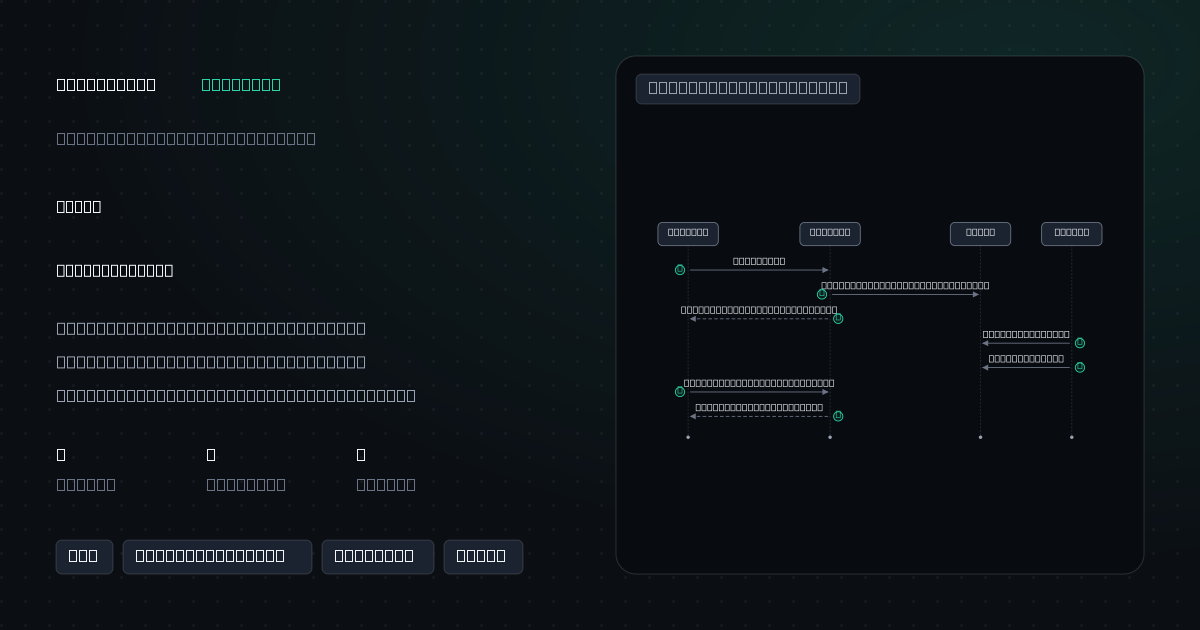
Sequência7 passos — reproduza para seguir o fluxo
Como funciona
4passos
A API responde 202 Accepted com Location, um worker processa em background e o cliente consulta por polling
Esconde cada passo: lembre antes de tocar para revelar.
POST /pix grava o job pending no Redis, enfileira e responde 202 com Location
O worker liquida e grava completed
O cliente consulta GET /status/:requestId com backoff exponencial
O job expira em 5 minutos
Trade-offs
O que se ganha, o que se paga
Vantagens
Cliente não fica bloqueado
API e worker escalam separados
Custos
Cliente precisa fazer polling
Estado do job vive fora do processo
Código
pattern/messaging/async-request-reply
6 arquivos./
src/
Executar com Docker
./docker.shuntil docker exec async-request-reply-cache redis-cli ping >/dev/null 2>&1; do sleep 1; donebun install# dependênciasbun run demo# roda o cenáriodocker rm -f async-request-reply-cacheSaída: 202 com Location; polling devolve pending até o worker liquidar; depois completed com endToEndId.
Código
src/demo.ts// Demo: the PIX API answers 202 + Location at once, a worker settles in background, the client polls the status.
import { RedisClient } from "bun";
import { Elysia, t } from "elysia";
const PIX_QUEUE = "pix:queue";
const PIX_JOB_TTL_S = "300";
const PIX_API_URL = `http://localhost:${Bun.env.ASYNC_REQUEST_REPLY_API_PORT ?? 7010}`;
type PixJob = { requestId: string; status: "pending" } | { requestId: string; status: "completed"; endToEndId: string };
const redis = new RedisClient(Bun.env.ASYNC_REQUEST_REPLY_REDIS_URL ?? "redis://localhost:6379");
// BRPOP blocks its connection: the worker gets its own.
const redisWorker = await redis.duplicate();
const jobSave = (job: PixJob) => redis.set(`pix:job:${job.requestId}`, JSON.stringify(job), "EX", PIX_JOB_TTL_S);
const app = new Elysia()
.post(
"/pix",
async ({ body, set, status }) => {
const requestId = crypto.randomUUID();
// Pending first, then enqueue: a fast worker never finds the job missing.
await jobSave({ requestId, status: "pending" });
await redis.lpush(PIX_QUEUE, JSON.stringify({ requestId, ...body }));
set.headers.location = `/status/${requestId}`;
return status(202, { requestId });
},
{ body: t.Object({ accountFromId: t.String(), accountToId: t.String(), amountCents: t.Integer({ minimum: 1 }) }) },
)
.get("/status/:requestId", async ({ params, status }) => {
const raw = await redis.get(`pix:job:${params.requestId}`);
return raw ? (JSON.parse(raw) as PixJob) : status(404, { error: "pix.request.not_found" });
})
.listen(Number(Bun.env.ASYNC_REQUEST_REPLY_API_PORT ?? 7010));
// Background settlement: the slow part (clearing, fraud screening) the client must not wait on.
async function workerSettleOne(): Promise<void> {
const [, raw] = (await redisWorker.send("BRPOP", [PIX_QUEUE, "5"])) as [string, string];
const { requestId } = JSON.parse(raw) as { requestId: string };
await Bun.sleep(600);
await jobSave({ requestId, status: "completed", endToEndId: `E12345678${Date.now()}` });
console.log(` [WORKER] ${requestId} settled`);
}
// Polls with exponential backoff and a cap, never at a fixed short interval.
async function statusPoll(location: string): Promise<PixJob> {
for (let attempt = 0; attempt < 10; attempt++) {
const job = (await (await fetch(`${PIX_API_URL}${location}`)).json()) as PixJob;
console.log(` [POLL] ${location} → ${job.status}`);
if (job.status !== "pending") return job;
await Bun.sleep(Math.min(2_000, 100 * 2 ** attempt));
}
throw new Error("PIX did not settle in time");
}
const worker = workerSettleOne();
const response = await fetch(`${PIX_API_URL}/pix`, {
method: "POST",
headers: { "content-type": "application/json" },
body: JSON.stringify({ accountFromId: "ACC-1001", accountToId: "ACC-2001", amountCents: 50_000 }),
});
const location = response.headers.get("location")!;
console.log(` [API] HTTP ${response.status} Location: ${location}`);
const job = await statusPoll(location);
console.log(` [CLIENT] ${job.status} endToEndId=${job.status === "completed" ? job.endToEndId : "-"}`);
await worker;
await app.stop();
redisWorker.close();
redis.close();Nível
introdutório
3/13
Domínio financeiro
Padrões do catálogo que implementa
Infraestrutura
Rediscache / estrutura de dados
redis:7-alpine:6379
Variáveis de ambiente
Por que se relacionam
Combina com
Teste rápido
Qual destes combina com Async Request-Reply?
Aceita rápido, processa no ritmo da fila. Abrir Queue-Based Load Leveling
Seu progresso
0/157 estudados
Fica salvo só neste navegador.